

Hyperstimulation and Brainrot
How to stop being a loser

Putting your phone down after a long scrolling session feels like a mild hangover. Nothing is dramatically wrong, but reality feels slightly off. Even interactions with other people are filtered, as if the “real” is being interpreted through a digital afterimage.
That state has become so common that it barely registers anymore. We’ve come to accept this level of dissociation as normal, something that just happens.

No no, frying your brain is totally fine!
Brainrot is worse than you think. Not only does it eat away hours of your life, but it’s also affecting you when you aren’t in front of a screen. The vegetative state stemming from mindless consumption dulls your mind because it makes you less and less conscious.
When you’re tasked to be present in reality, everything feels far away. Some people experience low-grade depersonalization every time they attempt to engage with the world because their mind expects the specific rhythm and routine their phones generate, similar to the Tetris effect.
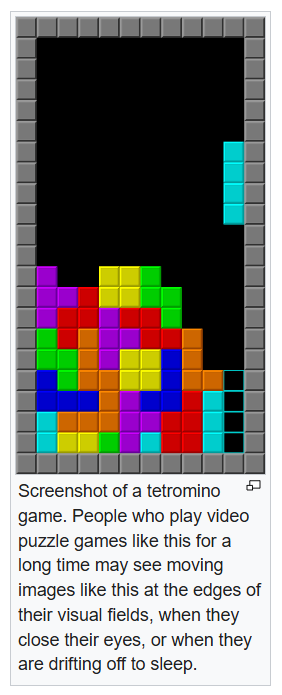
Color is drained from life because your brain is used to a level of condensed hyperstimulation that only exists in the artificial. However, the thing about getting chronically overstimulated is that you also subject yourself to hedonic adaptation; the very stimulus that “excited” your brain ceases to stimulate it anymore, except in its most intense manifestation. So, after a while, it has an anesthetic effect.
This starts to influence your life in subtle but significant ways. Making decisions becomes slightly harder, your interests shift because your mind has to recalibrate the amount of minimal effort required to pursue them in comparison to the effort required to vegetate, and long-term planning halts because digital culture saturates your psyche with symbols and artificial manifestations of the real, to the point that your ability to identify true desire is clouded.
Does that mean you must regress to some protozoic, bare-life form that lives like a monk — eating, sleeping, shitting?
No. In fact, brainrot is precisely what pushes us toward the bare-minimum life where everything is happening in the background in order keep digital reality at the forefront.
More or less dopamine?
A few years ago, there was a popular trend called “dopamine fasting”. The concept sounds like you’re trying to reduce the amount of dopamine you’re getting but that’s a misnomer. What we want instead is to restore the balance between the mesolimbic and mesocortical pathways, accomplishing two things.
1. Promote long-term planning and executive function
2. Prevent the dysfunction of the mesolimbic pathways in the context of choosing easy activities that provide low reward, which is where compulsive, non-pleasurable activities come from.1
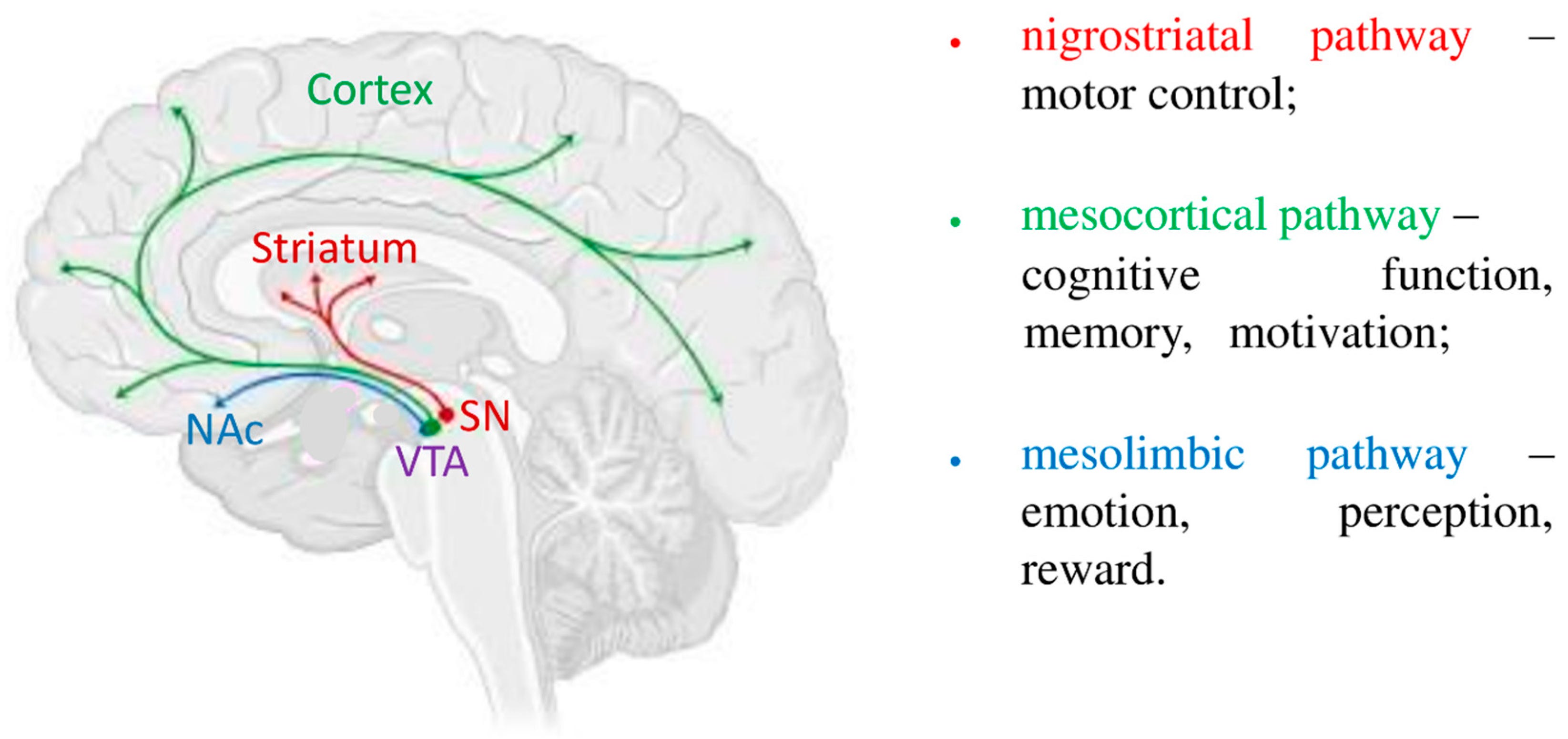
Long-term, their desensitization of dopamine receptors mute the effect of regular activities on your reward system, to the point that even the most mundane action that doesn’t provide massive reward immediately feels like you’ve lost or failed. This is the definition of being a “loser”2.
In that sense, the goal isn’t to become the caricature of a “slow living” influencer who cries tears of joy while having a cup of coffee, but stop being a loser!
What I would do in the next 365 days to stop being a loser
Other than writing these essays, I research, read, post on X, and manage my Discord group. Ideally, 2-3 hours would be enough to accomplish what I want every day, and for the most part, that’s how much time I spend online.
But, brainrot can creep in. There have been days I find myself reaching for my phone mindlessly. Or watching nonsense YT videos because I got sucked in by the finely-tuned algorithm.
If I let them compound, these small habits could easily drag on for weeks. The following is the framework that I’d use to engage with the issue and restore the normal function of my brain.
Hopefully, you’ll find something useful for your situation too.